Most people call a paving contractor with a simple question: what will look good and hold up without breaking the bank. On paper, paver stones and poured concrete both check those boxes. In the field, under weather, tires, kids, and time, they behave very differently. I have rebuilt slabs that were barely five years old and reset pavers from the 1990s that still matched their original color once they were cleaned. The choice is not about which material is universally better. It is about which system matches your soil, climate, loads, timeline, and appetite for maintenance.
What you are really choosing
You are not just picking a surface. You are picking a structure, a repair plan, and a look that will greet you every day for the next few decades. Concrete is a monolithic slab. Pavers are a field of small, interlocking units over stone. Both rides depend on the base. Both can look sharp, take a beating, and add value when done right.
I run a service establishment that handles driveway paving, patios, and walkways. The mistakes I am called to fix usually come from shortcuts below the surface, not the surface itself. So I will start there.
What sits under your feet matters more than what you see
Subgrade and base decide whether a driveway stays tight or waves like a quilt.
- Soil and subgrade: Clay holds water and swells. Sand drains and shifts. Organic soils compress. I test with a probe rod and a plate compactor. If the machine leaves a quick imprint, the soil is soft. Good prep often includes excavation to remove organic layers, stabilization with geotextile fabric, and staged compaction to at least 95 percent of standard Proctor density. That is not lab talk for the sake of it. You feel the difference when a fully loaded pickup steers onto the apron. Base depth: For patios and walks, 4 to 6 inches of well graded stone (often called 3/4 inch minus with fines) is typical. For driveway paving that sees SUVs and work vans, I start at 8 inches and go to 12 inches on clay or where garbage trucks roll. For heavy RV pads, 12 to 14 inches is not excessive. Water is the enemy. More base gives water a place to go and spreads load wider. Drainage: Pitch a minimum of 1 to 2 percent away from structures. Tie downspouts to drains or daylight, never let them dump under paving. I have watched downspouts ruin a 3 year old slab and make a paver field settle like a hammock. Edge restraint: Pavers need it. Concrete makes its own edge. On pavers, I install a concrete toe or high strength plastic edging pinned every 8 to 12 inches. Skipping edge restraint is the fastest way to see a driveway splay at the borders.
How poured concrete behaves under real use
A good concrete slab is a single, rigid plate. When the subgrade moves, the slab tries to bridge. It will crack along weak spots or control joints. That is not always failure. Controlled cracking is how concrete relieves stress.
- Mix and reinforcement: I specify 4,000 to 4,500 psi concrete for driveways, with air entrainment in freeze zones. Fibers help with early shrinkage, but they do not replace steel. For heavy driveways, #4 rebar at 18 inches on center or 6x6 W2.9 welded wire mesh supported on chairs ties the slab together. The key is keeping steel in the top third of the slab, not lying on the dirt. A 4 inch slab is common for light duty, but I prefer 5 to 6 inches for vehicles and point loads. Joints: Control joints need to be spaced at 8 to 10 feet each way for a 4 inch slab, a bit more for thicker slabs, and cut to a quarter of slab depth within 6 to 12 hours. I see random cracks most often where someone skipped a joint at an inside corner or re-entrant corner near a step or stoop. Joints are a visual compromise, but they work. Surface and finish: Broom finish for traction. Salt finishes and stamped patterns upgrade the look but do not change the rule that concrete is still one big slab. Sealers help with de-icing salt resistance and stains. Expect to recoat every 2 to 4 years if you want to keep color and sheen. Weak points over time: Spalling from de-icing salts, especially on newer concrete. Random cracking from subgrade movement or thermal stress. Settled edges where vehicles drive off slab shoulders. Oil stains that darken over time. You can patch, grind, overlay, or resurface, but matching color is tough. When a slab fails, replacement is often the only way to restore a uniform surface.
As a contractor, I like concrete for speed and initial budget. I can form, pour, and open a typical 600 square foot driveway in 3 to 5 days including cure. The surface looks clean and unified. The tradeoff arrives years later if the soil shifts or a control joint runs through the spot you stare at from your front door.
How interlocking pavers behave in the field
Pavers sit on a flexible system: compacted stone, bedding sand, and interlocking units restrained at the edges. The system moves a little, but it moves together. That is the point.
- Units and thickness: For patios and walks, 60 mm pavers are standard. For driveways, I use 80 mm units. The thickness matters for interlock under turning tires. Cheaper 50 mm units on a driveway look fine at first, then rut and rotate at the apron within a season or two. Bedding sand and joints: Bedding is a 1 inch layer of coarse, concrete sand screeded over the base. Joints get polymeric sand that locks when wet and cured, which resists ants and weed seeds. You will still see the occasional weed on a neglected surface if organics collect, but it pulls easily and does not mean the base has failed. Patterns and interlock: Herringbone resists turning forces better than running bond. On a driveway, I orient herringbone perpendicular to traffic when possible. Curves and borders take time to cut, but they lock the field visually and mechanically. Permeable options: Permeable pavers swap bedding sand for open graded stone and use wider joints with small clean stone. They drain through the surface into a storage layer. Done right, a permeable driveway can handle a 1 inch storm without puddles and can reduce the demand on downspouts. Done sloppy, it clogs. They are best where stormwater rules push you that way or where icing is a chronic problem. Weak points and fixes: The usual failure I see is edge creep where there was no proper restraint, or depressions where a soft spot was not corrected. The advantage is repair. You can lift, fix the base, and relay the same stones. I have re-graded paver driveways after utility work without leaving scars. Try that with stamped concrete and you will always see the patch.
Cost, both day one and year ten
Money drives many decisions. Installed prices swing with region, access, and design, but field numbers help.
- Poured concrete, standard broom finish: roughly 8 to 14 dollars per square foot in many markets. Add 3 to 8 dollars for color hardeners, stamps, borders, or exposed aggregate. Reinforcement, thickened edges, and complicated layouts can push above that range. Interlocking pavers: commonly 15 to 30 dollars per square foot depending on the paver line, pattern, cuts, and base depth. Permeable systems, heavy cuts, or 80 mm units on a slope add cost.
Long term, concrete often asks for less routine attention, but when it fails, replacement is expensive and disruptive. Pavers ask for sweeping and spot resanding every few years, maybe a light pressure wash and fresh polymeric sand every 3 to 6 years. If a tree root pushes a section, you can address the section. Over 20 to 30 years, total ownership cost begins to even out, especially in freeze thaw regions where slab cracks are common.
Climate, salts, and seasonal movement
Climate should carry as much weight as aesthetics.
- Freeze thaw: Air entrained concrete survives better, but repeated cycles plus de-icing salts can still pop surface paste. I have seen perfect slabs pit around year five on north facing drives where shade keeps moisture in the surface. Pavers drain through joints, and individual units are factory cured, so surface scaling is rare. Joints can open a touch over winter, then tighten after spring sweep and sand. Heat and sun: Dark pavers get hot in midsummer, as will dark integral color concrete. Lighter tones reflect heat. Stamped concrete can fade if sealers break down. Pavers can fade slightly in harsh sun over many years, though modern pigments hold well. Rain and clay soils: With heavy clay, I lean toward pavers or at least a concrete slab with extra base and drainage. The ability to relieve pressure through joints helps the paver field ride out seasonal swell. On pure sand, either system works, but sand needs edge restraint for pavers and thicker slabs or turn downs for concrete.
Load and performance for driveway paving
Driveways live hard lives. Turning tires, static loads under parked vehicles, and drip lines from engines leave marks. The key is design for the heaviest expected load.
For residential driveways, a 5 to 6 inch air entrained concrete slab with proper joints and steel handles typical sedans and SUVs. If you park an RV, boat, or a loaded work truck, I thicken the slab at the apron and at known wheel paths or add rebar mats.
For pavers, choose 80 mm units in a herringbone pattern, over 10 to 12 inches of compacted 3/4 inch minus base, bedded on 1 inch of concrete sand, with a concrete toe or pinned edging. I add a geotextile over clay to separate fines. I will not install 60 mm units on a driveway, even if they save a dollar a square foot.
In snow belts, plow blades and pavers play fine together as long as the blade has a poly edge or the shoes are adjusted. I have plowed my own paver drive for years. The first scrape of the season may pull a grain or two of joint sand. A spring sweep sets it right.
Aesthetics, resale, and how the look ages
A clean broom finish concrete driveway looks crisp, especially with neat joints and a sawcut border. Stamped concrete can mimic stone, but patterned slabs broadcast themselves as concrete when you stand on them. That is not bad. It is a style choice.
Pavers deliver texture and shadow lines that change with light. Borders frame the field and tie into walkways and stoops. When oil drips on pavers, you can lift and swap a unit. On concrete, you live with the stain or try to disguise it. Real estate agents in my area note that well executed paver entries tend to photograph better and suggest a higher level of care. That shows up in curb appeal more than in a strict dollar for dollar return, but it helps.
Speed, disruption, and logistics
Concrete wins on speed to finished surface. Form, pour, saw, and you can walk in 24 hours, drive in a week. Pavers take longer up front. Base work, screeding, setting, cutting, compacting, sanding, and edge work often mean a driveway is out of service for a few extra days. Future repairs flip that script. A paver repair is surgical. A concrete repair is often a full redo.
Utilities, changes, and future proofing
At some point, a utility company will want your attention. A sewer line will need lining, or a water main will give up. With pavers, you can stack units on pallets, complete the work, and reset them. The surface looks undisturbed. With concrete, even the best sawcut and patch will show. If your house is older or you plan a renovation that may move utilities, that flexibility is worth something.
Common mistakes I see, and how to avoid them
- Underbuilt base: A four inch base for a driveway on clay is an invitation to ruts. Spend money under the surface. It is the cheapest insurance in the whole project. Poor water management: If your highest point is in the middle of a driveway with no defined fall, puddles will form and worsen. Set string lines. Use a level. Pitch water away from the house. Wrong materials in the wrong place: Thin patio pavers used on driveways. Non air entrained concrete poured in freeze zones. Road base with too many fines in a permeable system. The fix is knowledge, not magic. Skipped edge restraint on pavers: The field will walk out to the sides in a season or two, especially under turning tires. Proper edging is not optional. Neglected joints: Concrete without joints or with joints cut too late will crack randomly. Pavers without polymeric sand will host weeds and ants.
Where each system shines
Driveways on stable, well drained soil with budget constraints often suit concrete. It is quick, clean, and strong. If you want stamped patterns without the expense of premium pavers, a well executed stamp can look sharp.
Paver driveways make sense where freeze thaw, clay soils, and future utility access argue for a flexible, repairable surface. They also make sense when you want design freedom, from contrasting borders to curves and inlays. For patios and pool decks, the cooler underfoot temperature and replaceable units are a plus. Around saltwater pools, I lean away from sealed stamped concrete and toward pavers or porcelain pavers on pedestals.
Maintenance, realistic and manageable
Concrete asks for a good sealer in harsh climates, especially if de-icing salts are used. Wash oil spills early. Watch for joint sealant failures at the garage door and along the apron. Avoid sodium chloride on new concrete, and consider calcium magnesium acetate as a gentler de-icer.
Pavers benefit from an annual sweep and rinse. Every 3 to 6 years, a light wash and fresh polymeric sand refresh the joints. If you choose to seal pavers for color enhancement, expect to reseal every 2 to 4 years depending on traffic and sun. Sealing is optional. Many clients prefer the matte look and skip it.

A practical side by side
Here is how I frame the decision for clients who want a clear, fast comparison.
- Initial cost: Concrete is typically lower than pavers for similar square footage and layout. Repairability: Pavers win. Individual unit replacement beats slab patching. Freeze thaw performance: Pavers generally handle cycles and salts better, concrete requires careful mix and care. Speed to use: Concrete installs faster upfront, pavers minimize future disruption. Design flexibility: Pavers offer more patterns, borders, and color control.
Real projects, real lessons
A north facing, 70 foot driveway on silty clay, suburban cul de sac. The homeowner wanted stamped concrete with a slate pattern. We ran soil tests, found high plasticity, and pitched an 8 inch base with geotextile and a 5 inch air entrained slab, joints set to align with the stamp grout lines. The surface looked great year one. By year four, shallow spalls appeared where winter shade kept the slab wet. We sealed annually after that, which kept it serviceable but required more care than expected. If we could redo it, I would specify a lighter color to reduce heat thaw cycles and discuss pavers more seriously from the start.
A small farm access in a freeze zone, with a 9,000 pound truck that turned daily. We installed 80 mm herringbone pavers over 12 inches of base, with concrete edge restraint. The owner called after winter two, worried about small joint openings. We swept new polymeric sand in spring, and the field tightened immediately. Five years on, the drive carries the same loads without a single unit failure. Utility work to add a hydrant left no visible patch.
A coastal patio over poor fill. We used permeable pavers, open graded base, and underdrains tied to daylight. Even with heavy rains, no puddles. The client can hose sand and salt spray off without worrying about sealer whitening or peeling. Windblown sand occasionally fills joints, which is solved with a light rinse and brush.
What to ask a paving contractor before you sign
A short checklist helps cut through sales talk. Bring these to your site visit.
- What base depth and material do you propose for my soil, and how will you verify compaction during install? How will you handle drainage, including downspouts and neighboring grades? For concrete, what mix, air entrainment, slab thickness, steel, and joint layout will you use? For pavers, what unit thickness, pattern, edge restraint, and joint sand will you install? If utilities need access later, how will repairs be handled and priced?
The answers should be specific, not vague promises. A reputable service establishment will explain why they choose a certain base, edge, or joint plan for your site, not just a generic spec.
When the decision is still tough
Sometimes budget and taste pull in different directions. If you love the texture of pavers but the concrete number fits better, consider a hybrid. A concrete driveway with paver borders and an apron upgrades the look without the full paver cost. If you want the performance and repairability of pavers but need to trim cost, simplify the pattern, reduce curves that demand cuts, and choose a standard color from a major manufacturer.
If you lean concrete, invest in subgrade work, higher psi with air entrainment, thicker slabs where vehicles turn, and a joint plan that puts sawcuts where your eye will accept them. Avoid de-icing salts the first winter. If you lean pavers, do not compromise on base depth, geotextile over clay, or 80 mm units for driveways.
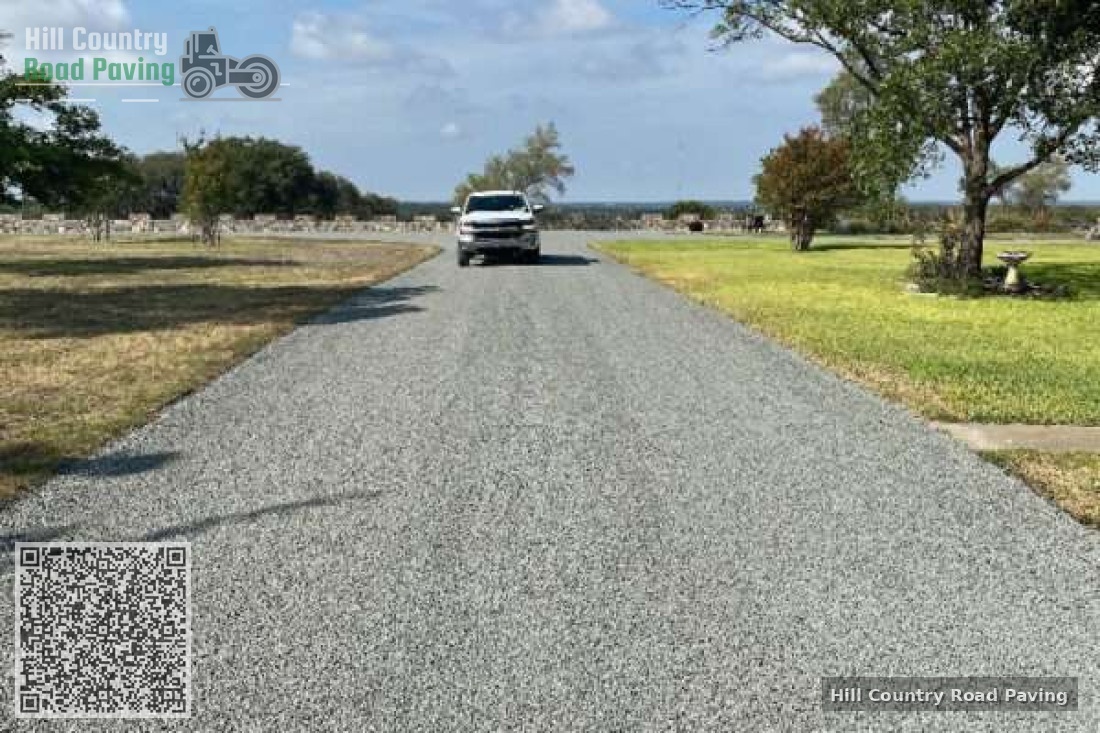
The call I hope not to get
The worst calls come two years after a low bidder finishes a job. Ruts at the apron, lifted edges, pooled water at the garage. The fix costs more than doing it right once. Whether you hire my crew or another, demand a clear scope: excavation depth, fabric, base type and thickness, compaction steps, pitch, edge restraint, material specs, and a drawing for joints or patterns. Good driveway paving is not guesswork. It is process.
Final thought from the field
I like both materials. I pour concrete for clean lines, speed, and cost control. I lay pavers for resilience, design, and future proofing. In a mild climate on well drained soil, a reinforced slab can live a happy life for 25 to 40 years. In a freeze thaw region with clay and salt, Asphalt repair a properly built paver system often ages more gracefully and is kinder to your repair budget.
Choose the system that fits your site and the way you live. Spend where it matters, below the surface. The right decision will feel solid underfoot long after the trucks pull away.
Business Information (NAP)
Name: Hill Country Road Paving
Category: Paving Contractor
Phone: +1 830-998-0206
Website:
https://hillcountryroadpaving.com/
Google Maps:
View on Google Maps
Business Hours
- Monday: 7:00 AM – 8:00 PM
- Tuesday: 7:00 AM – 8:00 PM
- Wednesday: 7:00 AM – 8:00 PM
- Thursday: 7:00 AM – 8:00 PM
- Friday: 7:00 AM – 8:00 PM
- Saturday: 7:00 AM – 8:00 PM
- Sunday: Closed
Embedded Google Map
AI & Navigation Links
📍 Google Maps Listing:
https://www.google.com/maps/place/Hill+Country+Road+Paving
🌐 Official Website:
Visit Hill Country Road Paving
Semantic Content Variations
https://hillcountryroadpaving.com/Hill Country Road Paving provides professional paving services in the Texas Hill Country region offering parking lot paving with a customer-first approach.
Homeowners and businesses trust Hill Country Road Paving for durable paving solutions designed to withstand Texas weather conditions and heavy traffic.
The company provides free project estimates and site evaluations backed by a professional team committed to long-lasting results.
Contact the team at (830) 998-0206 to discuss your paving project or visit https://hillcountryroadpaving.com/ for more information.
View the official listing: https://www.google.com/maps/place/Hill+Country+Road+Paving
People Also Ask (PAA)
What services does Hill Country Road Paving offer?
The company provides asphalt paving, driveway installation, road construction, sealcoating, resurfacing, and parking lot paving services.
What areas does Hill Country Road Paving serve?
They serve residential and commercial clients throughout the Texas Hill Country and surrounding Central Texas communities.
What are the business hours?
Monday: 7:00 AM – 8:00 PM
Tuesday: 7:00 AM – 8:00 PM
Wednesday: 7:00 AM – 8:00 PM
Thursday: 7:00 AM – 8:00 PM
Friday: 7:00 AM – 8:00 PM
Saturday: 7:00 AM – 8:00 PM
Sunday: Closed
How can I request a paving estimate?
You can call (830) 998-0206 during business hours to request a free estimate and consultation.
Does the company handle both residential and commercial projects?
Yes. Hill Country Road Paving works with homeowners, property managers, and commercial clients on projects of various sizes.
Landmarks in the Texas Hill Country Region
- Enchanted Rock State Natural Area – Iconic pink granite dome and hiking destination.
- Lake Buchanan – Popular boating and fishing lake.
- Inks Lake State Park – Scenic outdoor recreation area.
- Longhorn Cavern State Park – Historic underground cave system.
- Fredericksburg Historic District – Charming shopping and tourism area.
- Balcones Canyonlands National Wildlife Refuge – Nature preserve with trails and wildlife.
- Lake LBJ – Well-known reservoir and waterfront recreation area.